
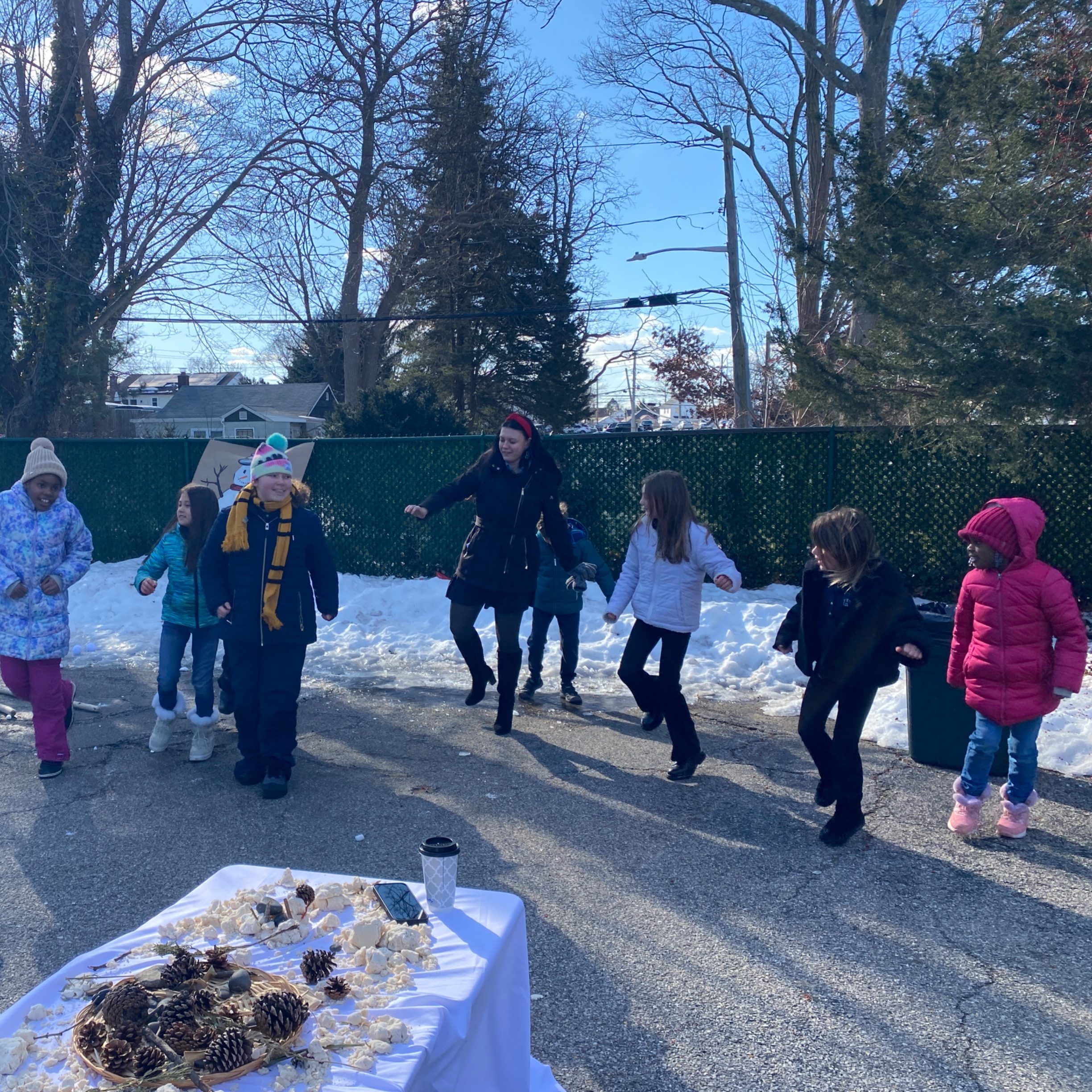
Spontaneity and fun with my learners compliments my Intentional Planning and Authentic Learning Process
About Me
My name is Ashlee Zebro and I am an elementary educator currently teaching in a Montessori classroom in New York. I work with a multi-age group of learners and focus on creating meaningful learning experiences that encourage curiosity, independence, and critical thinking.
My teaching philosophy centers on the belief that learners construct knowledge through exploration and collaboration. In my classroom, lessons often combine history, science, civics, and storytelling so students can see how ideas connect across disciplines. I enjoy designing project-based experiences that help learners understand complex concepts through discussion, creativity, and real-world application.
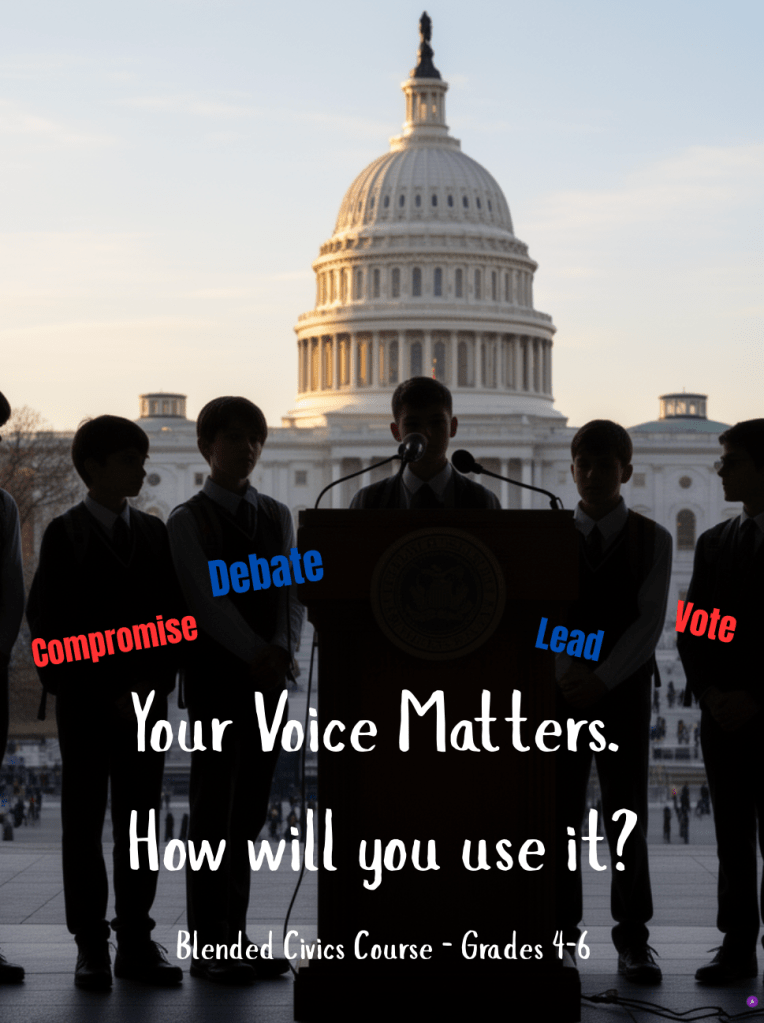
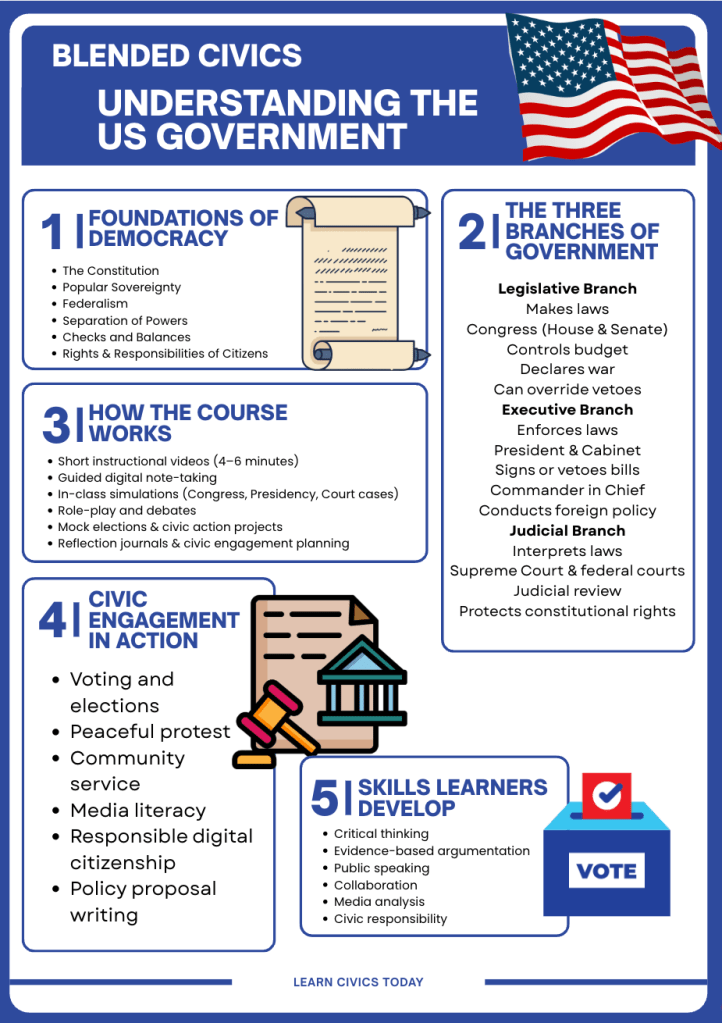
This blog was created as part of my graduate coursework while developing a blended civics course for grades four through six. The course focuses on helping students understand the three branches of government and how laws and civic decisions impact their communities. The goal of this blog is to reflect on the process of designing the course and to share ideas about integrating technology, discussion, and inquiry into civics education.
Outside of the classroom, I enjoy doing yoga, drawing, puzzling, and reading! I am currently writing a fantasy novel that mirrors the themes and tropes that have brought me so much joy over my years of being a reader. My students have dubbed me a “crazy book lady” and I am so proud of that title. Sharing my love of literature with my students is rewarding both because it helps them grow as learners, and it allows me to share my passion with them, and invite them into my world in a small way.
Professionally, I hope to continue developing curriculum that blends traditional instruction with interactive digital tools while supporting learners in becoming thoughtful and engaged members of society.
ePortfolio Reflections
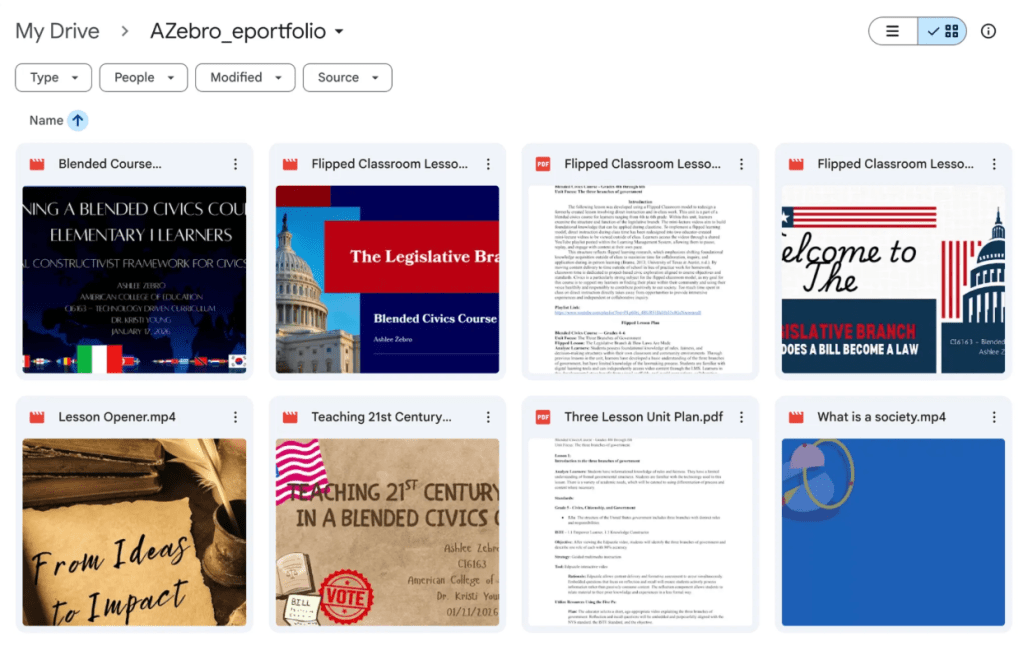
To extend reflective practice beyond the essay format, I established a private learning journal using WordPress. This blog will serve as an ongoing space to document insights, challenges, and growth throughout the remainder of the course.
My first post includes an introductory paragraph followed by the reflection from this module. I tagged the post using the learning objectives outlined in my ePortfolio framework to maintain alignment between coursework artifacts and reflective analysis.
Maintaining the blog in private mode allows me to explore the platform’s features while refining my professional voice before publication in Module 9.
As I completed Module 5, my understanding of authentic assessment and technology integration deepened. Through creating and organizing my ePortfolio, I was able to think beyond assignment completion and instead consider my own long-term professional growth. Each artifact does not exist as an isolated task from a checklist, but rather as a stepping stone to creating the whole cohesive picture.
Digital portfolios have the power to empower educators and learners alike. When individuals can document progress, demonstrate mastery, and engage in reflection and analysis, they are more able to process and retain information, as well as communicate about the information effectively and clearly (Barrett, 2010). I enjoyed revisiting prior coursework as I continue to evaluate and reevaluate my instructional design methods and technology integration.
Through establishing my own organizational system and compiling my artifacts, I was reminded of the importance of accessibility and structure in digital learning environments. An effective blended course relies on clear and consistent navigation and centralized resources that are easily identifiable. Without those two components, learners will not be able to access, process, analyze, and synthesize information independently (Horn & Staker, 2015). This is especially true for the age group of my blended civics course, 4th through 6th grade.
Structuring my portfolio with intentions mirrors the systems I would implement in my own classroom or course design. This module also strengthened my understanding of reflection as an authentic assessment tool. Authentic assessments emphasize real-world application, critical thinking, and metacognition rather than rote recall (Mueller, 2018). By engaging in written reflection, I analyzed the tools and materials I have created, and the decisions/instructional design behind each one.
Finally, this process highlighted the connection between flipped learning and portfolio assessment. Flipped models shift content delivery outside of class, allowing in-class time to focus on collaboration and application (Bergmann & Sams, 2012). Similarly, ePortfolios capture applied learning experiences rather than passive knowledge acquisition. Both approaches center on learner agency and ownership.
Digital Storytelling and Bring your Own Device Reflections
Designing this digital storytelling assessment allowed me to ground myself in my chosen theoretical framework and intentionally make connections to the lessons and artefacts I have previously included in my ePortfolio. The structural design I used to develop this lesson aligns with the ASSURE-based lesson plans I have previously submitted, creating a fluid and interconnected course with information and activities that build upon one another both in content knowledge and technology skill acquisition. Throughout my blended course, I have grounded my instructional choices in the constructivist learning theory, civic inquiry, and student-centered design. Digital storytelling aligns naturally with these concepts; storytelling requires students to synthesize content, organize ideas, and communicate understanding in a meaningful way. The expectation to develop a digital story stops me from asking for simply recalled facts, and allows me to converse in discourse with my learners about interpretations of the constitution leading to decisions in landmark cases that have impacted our society long-term.
Technology in this lesson is being utilized as a tool for authentic communication and creative multimodal expression of understanding. Using platforms like Canva or Book Creator supports the ISTE Creative Communicator standard. Students using these programs can combine narration, visuals, sequencing, and analysis into a cohesive narrative that displays their civic understanding.
I intentionally chose to use the Judicial Branch lesson in my course for this digital storytelling assignment because I felt that the nature of the Supreme Court and its cases lends itself to narrative structure. Students can frame their demonstration of understanding through real people, real cases, and real outcomes. By asking my learners to create a story with a title starting with “The Supreme Court That Changed…”, my goal is to encourage them to express the abstract concept of constitutional interpretation as something more concrete and relatable.
In reflecting on BYOD (bring your own device) resources, many of my students have access to Chromebooks or shared classroom devices at the 4th, 5th, and 6th grade levels. Some have access to smartphones or iPads/tablets at home that they could utilize for recording audio and visuals for their digital story. Access can be expanded through station rotations and in-class time to complete portions of the assignment, and collaboration with other educators who also have technology tools that could be helpful. I hope that students will increase their digital literacy skills as they problem-solve and plan for using technology to complete an assignment.
Overall, this assessment reflects my commitment to blending civic inquiry with purposeful technology integration. Students are both learning about government and utilizing purposeful technology integration. As they expand their digital literacy skills, they are also practicing skills of communication, interpretation, and civic reasoning that democratic participation requires.
Developing a Blended Civics Course
Designing a blended civics course for grades four through six provided an opportunity to think carefully about how technology and classroom instruction can work together to support student understanding. The course focused on helping students explore the three branches of government and understand how civic decisions are made. While developing the lessons, I encountered several challenges that helped shape how I think about instructional design and the role of digital tools in learning.
One challenge was balancing the amount of content presented through technology with opportunities for discussion and reflection. Civics is a subject that benefits from conversation and debate, so it was important that the digital components did not replace interaction but instead supported it. Tools such as Padlet and collaborative discussion spaces allowed students to share ideas, respond to peers, and organize their thinking before participating in class conversations.
Another challenge was designing lessons that would work for a range of learners. Students enter civics instruction with different levels of background knowledge and different comfort levels with technology. Because of this, the course design needed to include multiple ways for students to engage with content. Videos, discussion prompts, collaborative digital boards, and written reflections were included to provide flexibility and allow learners to participate in ways that best support their learning.
If I were to redesign this course in the future, I would spend more time building structured collaboration opportunities within the digital environment. While the lessons included discussion and reflection activities, additional peer review tasks or group digital projects could further strengthen student engagement and deepen understanding of civic concepts.
If the course had been designed as a professional development experience for educators rather than a learning experience for students, the structure would likely look different. Teachers would benefit from more opportunities to analyze lesson design, evaluate digital tools, and reflect on how blended learning strategies could apply in their own classrooms. The focus would shift from content knowledge to instructional strategies and technology integration.
Overall, the process of designing this blended civics course reinforced the importance of intentional instructional planning. Technology can enhance learning, but it must be thoughtfully integrated with meaningful activities that promote discussion, reflection, and real-world connections.
 Ashlee's Education Corner